

CRITICAL INFRASTRUCTURE
Critical Infrastructure Security
Actuate puts one AI video verification layer across utilities, water treatment plants, telecom sites and hospitals, so a real perimeter breach is acted on and a fox at the fence is not.
Works with the cameras and VMS you already run, on site or in your operations center. No rip-and-replace. No biometric data.
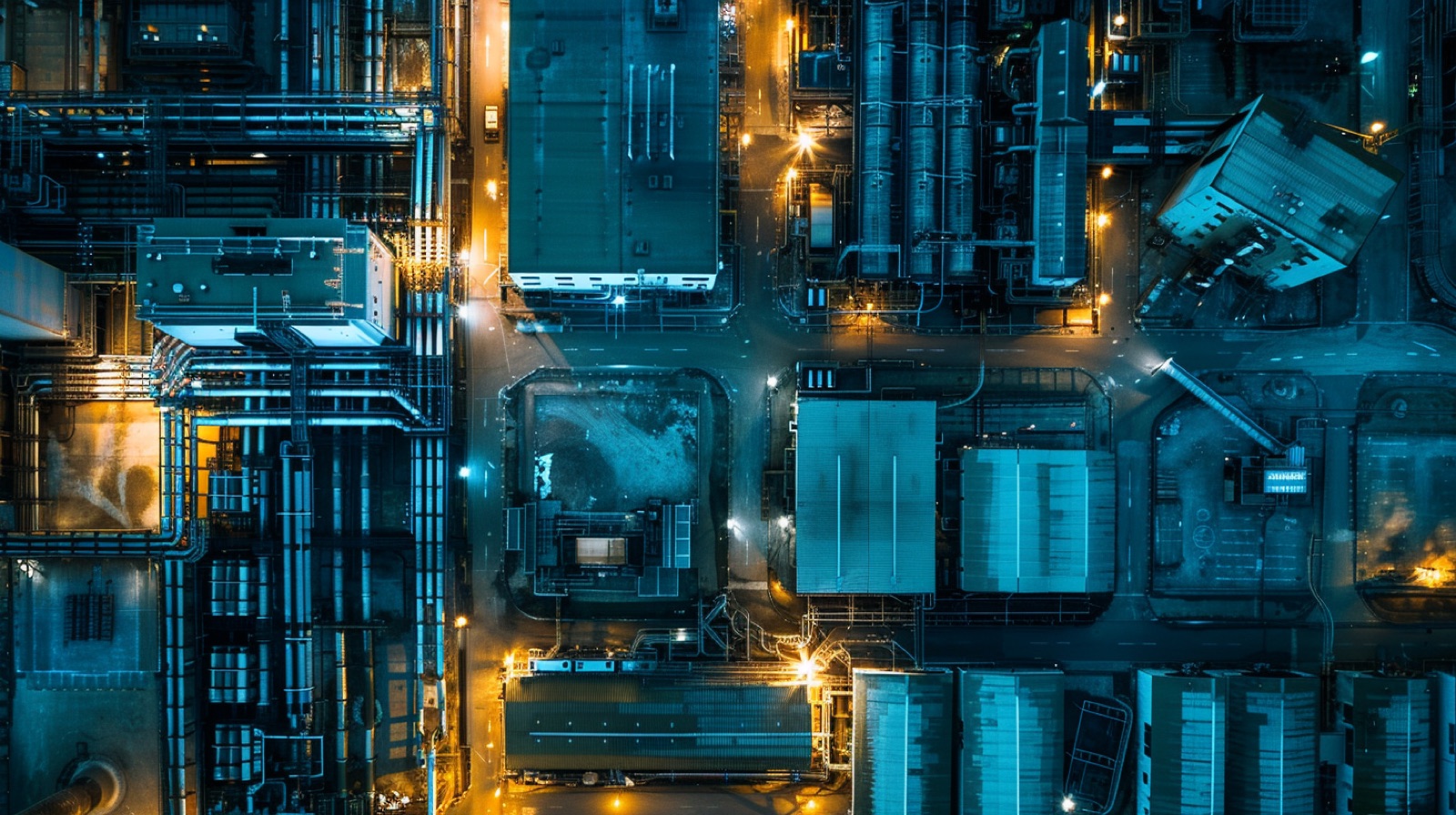
A NIGHT ON THE FENCE LINE
What happens at the perimeter at 3 AM
9:10 PM. The last shift leaves the control building. The perimeter cameras, the vehicle gate and the yard stay live, feeding the same operators who watch your other sites.
12:30 AM. Wind moves the fence line, rain streaks the lenses, a fox crosses the lot. Motion-only cameras would have paged the control room three times. Actuate verifies none of it as a person or vehicle, and nothing is sent.
3:18 AM. A figure walks the outer fence and stops at the gate. Loitering fires first, then line crossing as they climb. The verified alert reaches your GSOC or monitoring provider with the camera and the clip, while they are still inside the fence.
6:00 AM. Day shift arrives to one logged event and one clip, not a page of motion alerts to scroll past.
WHAT IT IS
What is critical infrastructure security?
Critical infrastructure security is the protection of the facilities a community cannot do without: power and water utilities, treatment plants, telecom and data sites, transport hubs and hospitals. It covers physical perimeters, restricted areas and the people inside, and it is increasingly governed by regulation.
The problem is scale and noise. These sites are large, remote and often unmanned, and the cameras that watch them generate far more alarms than any operations team can review. An industry built to protect people should not be held back by technology chaos. Actuate verifies events in the live stream, so the alarms that reach your team are the ones that matter.
AI-VERIFIED VS. TRADITIONAL
AI-verified monitoring vs. traditional perimeter monitoring
Same fences, same cameras. Here is what changes when every event is verified before anyone responds.
| What changes | AI-verified with Actuate | Traditional perimeter monitoring |
|---|---|---|
| What triggers an alert | Verified people, vehicles and weapons in the live stream | Fence sensors and camera motion |
| False alarm load | 95%+ of nuisance alarms filtered out | Wildlife, weather and lights dominate |
| Weapons | Detected as soon as a weapon is visible on camera | Found on footage after the event |
| Unmanned remote sites | Verified alerts routed to the operations center in real time | Alarms reviewed when someone is available |
| Audit and compliance | One set of records across every site | Different logs per site and vendor |
| Hardware | Runs on the cameras and VMS you already have | Often needs new cameras or edge boxes |
| Detection scope | Intruders, vehicles, weapons, line crossing, loitering, fire and smoke | Intrusion only |
| Privacy | No facial recognition, no biometric databases | Varies by vendor |
WHO IT’S FOR
Critical infrastructure security across utilities, water, telecom and healthcare
Each sub-sector has its own regulator and its own threats. The detection layer is the same.

Utilities
Power generation, substations and distribution sites, often unmanned and remote, with long perimeters to watch.

Water treatment
Treatment plants and reservoirs where a perimeter breach is a public health event, not just a security one.

Telecom and data sites
Cell sites, exchanges and data centers that need intruder and vehicle verification without staff on site.

Healthcare and public venues
Hospitals, campuses and public buildings where weapon detection and crowd events matter most.
FAQ
Frequently Asked Questions
What counts as critical infrastructure?
Facilities a community cannot do without: power and water utilities, treatment plants, telecom and data sites, transport hubs and hospitals. Governments regulate their physical security because an incident affects the public, not just the operator.
How does AI improve critical infrastructure security?
It verifies events in the live stream before anyone responds. Perimeter sensors and motion alerts fire on wildlife, weather and lights; Actuate filters 95%+ of those out and flags people, vehicles and weapons, so operators act on real events.
Can Actuate detect weapons at a facility?
Yes. Actuate detects weapons as soon as they are visible on camera, flagging the threat before shots are fired. It is one capability among many, alongside intruder, vehicle, fire and smoke detection. See gun detection.
Does it work at unmanned remote sites?
Yes. Verified alerts route to your operations center or monitoring provider in real time, so a site with no staff still gets a response. Camera health monitoring also tells you when a remote camera has gone offline or been blocked.
Does Actuate store biometric data or use facial recognition?
No. Actuate detects objects and events, never identities. There is no facial recognition, no biometric database and no relational mapping between people, which matters for public-sector and regulated buyers.
Do we need to replace cameras or our VMS?
No. Actuate connects to the cameras and VMS you already run and sends verified events into your existing workflow. A new site is connected in minutes with no new hardware.
Does Actuate help with security audits?
Every site runs through the same detection layer, so detections and alarm handling are recorded the same way everywhere. That gives you one set of records to show a regulator instead of one per vendor.
SEE IT LIVE
See Actuate run on your sites’ live feeds
Book 30 minutes and watch the platform filter live feeds from a real site. Real system, real cameras, no slides.
No new hardware · Works with your VMS · Sites onboard in minutes
EXPLORE FURTHER
SOLUTIONS
DETECTIONS
THE PLATFORM
COMPANY